
Gaza’s Child Amputee Crisis: The Long Road to Recovery

Donate to HEAL Palestine
Every donation is a step toward HEALing and empowering the children of Gaza. Thank you for supporting our mission!
Gaza’s child amputee crisis is one of the most severe in the world
Across Gaza, the scale of limb loss is not only high, it is historically concentrated, especially among children. What distinguishes this crisis is not just the number of injuries, but how many of them result in permanent disability and long-term rehabilitation needs.
According to the World Health Organization (WHO), by July 23, 2024, at least 22,500 people in Gaza had sustained “life-changing injuries” requiring ongoing rehabilitation. Within that total, an estimated 13,455 to 17,550 people suffered severe limb injuries, and between 3,105 and 4,050 individuals underwent limb amputations. These are not short-term injuries. They are conditions that require years of coordinated medical, physical, and psychological care.
As the situation has continued, the scale has expanded significantly. A later WHO regional update estimated that 41,844 people are now living with life-changing injuries, including 5,021 to 6,528 amputations. Crucially, around 25 percent of these injuries are among children, meaning thousands of young people are entering a lifetime of rehabilitation during their most critical years of growth and development.
This concentration of injury among children has led to an unprecedented global distinction. In January 2025, UNICEF stated that the Gaza Strip has the highest number of child amputees per capita anywhere in the world.
These figures define more than a medical emergency. They describe a system under extreme strain, where survival is only the first step. The term “life-changing injuries” is critical here. It reflects conditions that do not end with surgery, but require sustained rehabilitation, prosthetic care, and long-term support.
For thousands of children in Gaza, amputation is not a single event. It is the beginning of a long and complex recovery process that will shape their mobility, education, and future for years to come.

Amputation is not the end of treatment, it is the beginning of a long medical journey
Amputation is often perceived as a final, life-saving intervention. In reality, it marks the beginning of a long and demanding medical process, especially for children. The surgery itself is only one stage in a continuum of care that can extend over years.
After the initial procedure, children require ongoing wound care, infection prevention, and careful monitoring of the residual limb to ensure proper healing. In many cases, additional revision surgeries are needed. Pain management, including addressing nerve-related pain, becomes part of daily care. These early stages alone can take weeks or months, particularly in environments where consistent follow-up is difficult.
Once the surgical phase stabilizes, rehabilitation begins. This includes physical therapy to rebuild strength and balance, as well as gradual adaptation to new movement patterns. A central component of this process is prosthetic care. Prosthetic fitting is not a one-time event. It requires precise customization, repeated adjustments, and continuous training.
Children must learn how to use and care for a prosthesis through structured therapy, with the goal of restoring function and improving quality of life. This includes returning to everyday activities such as walking, attending school, and participating in play.
Effective recovery depends on coordinated, multidisciplinary care. Pediatric amputation treatment involves collaboration between multiple specialties, including physicians in physical medicine and rehabilitation, prosthetists, physical and occupational therapists, and mental health professionals. Each plays a role in ensuring that the child’s physical development, prosthetic fit, and emotional well-being are continuously supported.
Clinical guidance also emphasizes that prosthetic specialists should be involved early and remain engaged throughout the child’s care. A review published in pediatric prosthetics literature highlights that long-term outcomes improve when prosthetists are integrated into the treatment plan from the beginning, working alongside rehabilitation teams to adapt care as the child grows and their needs evolve.
The goal of this process is not limited to restoring mobility. It is about enabling children to return to daily life, to regain independence, and to rebuild confidence. Walking is only one part of recovery. Going back to school, playing with peers, and participating in normal childhood activities are equally critical milestones.
In stable healthcare systems, this journey is already complex and resource-intensive. In Gaza, where access to rehabilitation and prosthetic services has been severely disrupted, it becomes significantly more difficult. What should be a continuous, supported pathway often turns into a fragmented process, leaving many children without the long-term care required to fully recover.
This is why amputation cannot be understood as a one-time intervention. It is the beginning of a multi-year medical and developmental journey, one that requires sustained support at every stage.

Why child amputees need repeated prosthetic and rehabilitation support as they grow
For children, amputation is not a static condition. It is an evolving medical and developmental challenge that changes as their bodies grow. This is what makes pediatric amputation fundamentally more complex than adult cases, and why long-term, repeated support is essential.
One of the primary factors is growth. As a child’s body develops, the residual limb changes in size and shape, which directly affects how a prosthetic fits and functions. A prosthesis that fits properly at one stage can quickly become uncomfortable, unstable, or even harmful if not adjusted. Children may require replacement prosthetic limbs as often as every six months to one year during periods of rapid growth.
Clinical guidance reinforces that this is not occasional, but expected. Prosthetic replacement is typically needed annually during the first five years of life, followed by every two years between ages 5 and 12, and then approximately every five years thereafter, depending on individual development. This ongoing cycle of replacement and adjustment is a standard part of pediatric care, not an exception.
Beyond fit, there are also medical risks that require continuous monitoring. Poorly fitted prosthetics can lead to skin breakdown, pressure sores, and pain, all of which can interrupt use and delay rehabilitation progress. Children are also at risk of complications such as bony overgrowth at the amputation site, which may require additional medical intervention. Regular follow-up is therefore critical to ensure that the prosthesis supports, rather than limits, recovery.
Rehabilitation must also evolve alongside the child. As children grow, they must relearn movement patterns, adapt to new prosthetic devices, and build strength and coordination appropriate to each stage of development. The goal is not simply to maintain mobility, but to enable full participation in daily life, including school, play, and social interaction.
Equally important is the emotional and psychological dimension of recovery. Children who experience traumatic amputation often face challenges related to self-image, confidence, and social integration. Long-term psychological support is an essential component of care, particularly in trauma-related cases, where the impact extends beyond physical injury.
Taken together, these factors make one point clear. A single prosthetic device is not a complete solution. Supporting a child amputee requires a structured, multi-year approach that includes repeated prosthetic replacement, continuous rehabilitation, and sustained emotional support.
Without this continuity, early medical interventions risk losing their long-term impact. With it, children have a far greater chance of regaining mobility, independence, and a sense of normalcy as they grow.
How Often Do Child Amputees Need New Prosthetics?
Children grow quickly, which means prosthetic care is not a one-time treatment. As their bodies change, prosthetics must be adjusted, refitted, or replaced to support mobility, comfort, and healthy development.
Early Childhood
Childhood Growth
Adolescence
Gaza’s rehabilitation system has been devastated, leaving children without the care they need
Even when surgery is successful, recovery depends on what comes next. In Gaza, that pathway has been severely disrupted. The result is a growing number of children who survive life-altering injuries but are left without the rehabilitation and prosthetic care required to rebuild their lives.
By September 2024, the World Health Organization (WHO) reported that only 17 out of 36 hospitals in Gaza remained partially functional. Even within these facilities, services were heavily constrained and focused primarily on emergency and life-saving care, leaving limited capacity for long-term rehabilitation.
Specialized services have been hit even harder. WHO noted that Gaza’s primary limb reconstruction and rehabilitation center at Nasser Medical Complex became non-functional in December 2023 and was later damaged, effectively removing a central hub for prosthetic care and physical rehabilitation. As a result, inpatient rehabilitation services and prosthetic support were no longer available, and essential assistive devices such as wheelchairs and crutches were depleted.
More recent data confirms that the situation has not recovered, but worsened. A WHO rehabilitation needs update (September 2025) reported a 62 percent decrease in rehabilitation facilities across Gaza. Critically, it also found that there are zero fully operational rehabilitation services currently available, alongside severe shortages of raw materials required to manufacture prosthetic limbs.
These figures highlight a structural gap in care. Surgery may save a child’s life, but without access to rehabilitation, prosthetics, and follow-up, recovery cannot progress. Instead of moving through a continuous pathway of healing, many children face delays, interruptions, or complete absence of care.
In practical terms, this means children may go months without proper mobility support, use ill-fitting or improvised devices, or remain immobile altogether. Each delay increases the risk of complications, slows physical development, and deepens the long-term impact of injury.
This is why the need persists long after the initial emergency. In Gaza, the challenge is not only treating injuries, but rebuilding the systems required for recovery. Without that system in place, long-term outcomes depend on external, sustained support that can fill the gap left behind.
The long-term consequences go beyond mobility
The impact of amputation in Gaza extends far beyond the loss of a limb. For children, it affects physical development, emotional well-being, education, and long-term independence. When rehabilitation is delayed or unavailable, these effects compound over time.
Mobility is only one part of recovery. Without consistent access to prosthetics and rehabilitation, children may experience prolonged immobility, muscle atrophy, and chronic pain. These physical limitations directly affect their ability to participate in everyday activities. But the consequences do not stop there.
Education is often disrupted. Many children face extended recovery periods, displacement, or lack of accessible infrastructure, making it difficult to return to school. In a context where educational systems are already under strain, injury can permanently disconnect children from learning. This creates long-term gaps that affect future opportunities and independence.
Social isolation is another critical factor. Children recovering from amputation may be unable to engage in play, movement, and peer interaction at the same level as before. Over time, this can lead to withdrawal and reduced confidence, particularly if mobility aids or prosthetics are unavailable or poorly fitted.
The psychological impact is equally significant. Amputation, especially in a conflict setting, is often accompanied by trauma, grief, and loss. Children must adjust to changes in their bodies, their daily routines, and their sense of identity. The World Health Organization (WHO) rehabilitation update frames the situation not only as a medical crisis, but as a developmental and psychosocial challenge, particularly for children whose growth and emotional stability are still evolving.
The effects also extend to the family level. Injury often increases financial strain, as caregivers must dedicate time to supporting recovery while facing displacement, loss of income, and additional medical-related costs. In already vulnerable households, this can deepen poverty and limit the resources available for sustained care.
Over time, these overlapping challenges shape long-term outcomes. Without consistent rehabilitation, education support, and psychosocial care, children face a higher risk of dependency and reduced participation in society. With the right support, the trajectory can be very different.
HEAL Palestine’s Amputee Program was built for long-term recovery across Health, Education, Aid, and Leadership
Statistics updated as of June 2026
The scale of Gaza’s child amputee crisis makes one reality clear. Recovery cannot be addressed through short-term interventions alone. Children who have lost limbs require sustained, coordinated support that evolves over time. HEAL Palestine’s Amputee Program was designed in direct response to this need, structured as a long-term initiative that supports recovery across four interconnected pillars: Health, Education, Aid, and Leadership.
The program was officially announced on February 24, 2026, building on months of on-the-ground experience supporting injured children. Just days earlier, on February 14, HEAL organized Gaza’s first amputee soccer tournament in Deir El Balah. The event brought together 60 amputee athletes and welcomed 30 recently injured children as special guests. It was more than a symbolic moment. It demonstrated that recovery is not only about medical care, but about restoring participation, confidence, and community.
Health
At its core, the program addresses the long medical journey that follows amputation. This includes support for rehabilitation, prosthetic access, and continuous follow-up care. Children require structured physical therapy, occupational therapy, and ongoing prosthetic adjustments as they grow. Mental health support is also integrated into this pillar, recognizing that recovery involves both physical and psychological healing. In a setting where local rehabilitation systems have been severely disrupted, this support helps bridge critical gaps in care.
Education
Amputation often interrupts a child’s ability to attend school, particularly in environments affected by displacement and infrastructure damage. The Education pillar focuses on helping children remain connected to learning. This includes adapting to mobility limitations, supporting access to educational resources, and ensuring that injury does not permanently disrupt a child’s development and future opportunities.
Aid
The impact of amputation extends beyond the individual child to the entire family. Many households face financial strain, displacement, and increased caregiving demands. The Aid pillar provides targeted support to help stabilize families during prolonged recovery periods. By addressing immediate needs, it allows children to focus on rehabilitation without the added pressure of survival challenges.
Leadership
What distinguishes the program is its emphasis on lived experience. HEAL integrates young leaders, including individuals who were themselves child amputees, into the design and delivery of the program. Their role goes beyond participation. They provide mentorship, shape program direction, and offer a perspective grounded in personal experience. This creates a model of support that is not only clinical, but human, reinforcing dignity, resilience, and long-term empowerment.


From child amputee to leader, why lived experience matters in this program
HEAL’s Amputee Program is not built only on clinical care. It is shaped by lived experience.
One example is Muath Abudaher, who was once supported as a child amputee receiving prosthetic care. Today, he is part of the team helping other children navigate the same journey. His role reflects something deeper than recovery. It shows what long-term support can lead to.
This transition from patient to leader creates a different kind of impact. Children are not only receiving care from professionals, but also from someone who understands their reality firsthand. It builds trust, reinforces dignity, and offers a tangible example of what recovery can become.
This is the foundation of the Leadership pillar. It is not only about support today, but about creating a pathway where children can grow into active contributors in the future.

When treatment is not possible in Gaza, HEAL’s Global HEALing Program helps extend the continuum of care
In many cases, the full pathway of amputee care cannot be delivered inside Gaza. Surgery may be possible, but rehabilitation, prosthetic fitting, and long-term follow-up often are not. This creates a critical gap between survival and recovery.
HEAL Palestine’s Global HEALing Program was developed to address that gap. Through this program, critically injured children, including amputees, are evacuated for advanced medical treatment abroad. Care does not stop after surgery. It continues through rehabilitation, prosthetic support, and structured long-term follow-up.
The program reflects an important reality. For many children in Gaza, recovery depends on access to medical networks beyond the borders of Gaza itself. These international pathways are not a secondary option. They are often the only way to complete the full chain of care.
At the same time, evacuation alone is not enough. Long-term outcomes depend on what happens after. Prosthetic adaptation, rehabilitation, and continuous monitoring must follow, sometimes across multiple countries and over several years. In this context, the Global HEALing Program does more than provide access to treatment. It extends the continuum of care, ensuring that children are supported not only in surviving their injuries, but in rebuilding their lives over time.


Our Four Pillars of Impact
Every impact story is part of a larger mission. Through Health, Aid, Education, and Leadership, HEAL Palestine responds to urgent needs while investing in the people and communities shaping Palestine's future.
Health for Every Community
Access to quality healthcare is essential to a healthy, resilient community. HEAL Palestine works to provide urgent care, strengthen health services, and improve health outcomes for Palestinians - especially those facing the greatest need.
Aid Where It Is Needed Most
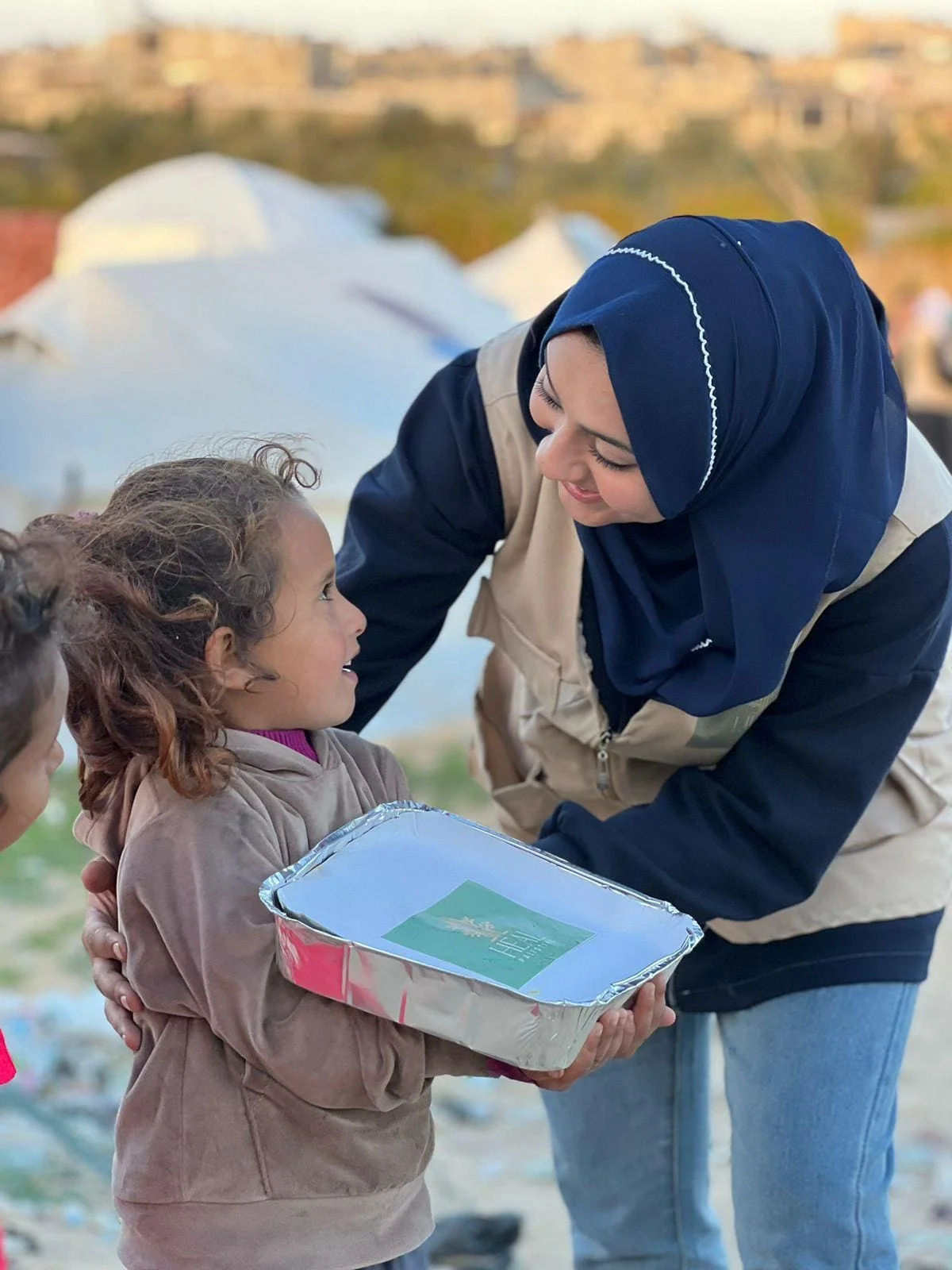
HEAL Palestine delivers practical, dignified assistance to families facing displacement and hardship, including food, clean water, shelter, and essential supplies.
Education Builds the Future
From safe learning spaces to scholarships and skills programs, HEAL Palestine helps children and young people continue learning and build pathways toward opportunity.
Leadership Rooted in Community
HEAL Palestine invests in people who can lead, serve, and strengthen their communities, creating sustainable change shaped by Palestinians themselves.
Related Media




Start a Fundraiser. Create an Impact.
Turn your passion into meaningful action. Start a fundraiser to support communities, amplify important causes, and help create lasting change around the world.
Every fundraiser can make a difference.
Start a Fundraiser Now


