
Inside Gaza’s Winter Emergency: Why Shelter Is a Life-Saving Intervention

Donate to HEAL Palestine
Every donation is a step toward HEALing and empowering the children of Gaza. Thank you for supporting our mission!
Winter in Gaza is no longer a seasonal hardship. It has become a direct threat to life.
As hundreds of thousands of displaced families endure cold, rain, and flooding in makeshift shelters, the absence of adequate housing has transformed winter weather into a deadly force. Tents collapse under storms, floodwaters soak bedding and clothing, and freezing nighttime temperatures expose infants, children, and the elderly to hypothermia.
This winter alone, dozens of people have died from cold exposure and related conditions, according to humanitarian agencies and media reports. These deaths are not the result of extreme weather alone, but of a prolonged shelter crisis driven by mass displacement, widespread destruction of homes, and the near total absence of reconstruction.
The Humanitarian Crisis in Focus
Hypothermia and Cold-Related Deaths Are Rising
One of the most alarming consequences of Gaza’s winter emergency is the rise in hypothermia-related deaths, particularly among infants and young children.
In January 2026, Al Jazeera reported the deaths of at least four babies from hypothermia after exposure to cold and wet conditions inside tents that offered little insulation or protection from wind and rain. Medical staff described newborns arriving at hospitals with dangerously low body temperatures, often after nights spent in soaked shelters with no heating.
Reuters has also documented multiple fatalities linked to winter storms, including children who died from exposure after heavy rains flooded displacement camps and destroyed tents. In one storm alone, at least six people were killed, and thousands of shelters were damaged or rendered uninhabitable.
Humanitarian agencies warn that these figures likely underrepresent the true toll, as many deaths occur in overcrowded camps with limited access to medical care or formal reporting mechanisms.
Nighttime winter temperatures in Gaza regularly fall below 7°C (45°F), conditions that are especially dangerous for infants living in damp environments without blankets, heating, or insulated flooring.
Mass Displacement Leaves Families Exposed to the Elements
The scale of displacement in Gaza has made winter protection nearly impossible for humanitarian responders to meet in full.
According to the UN Office for the Coordination of Humanitarian Affairs (OCHA), between 1.3 and 1.5 million people currently require emergency shelter assistance. Many are living in tents, plastic-sheet structures, or partially destroyed buildings that provide little defense against rain, wind, or cold.
The Norwegian Refugee Council, which coordinates parts of the shelter response, reports that only about 23 percent of winter shelter needs have been met, leaving close to one million people exposed during the coldest months of the year.
Flooding has been particularly devastating in low-lying displacement sites. Heavy rains have turned camps into mud fields, soaking mattresses, clothing, and food supplies, and forcing families to sleep on wet ground.
Shelter Damage, Destruction, and the Absence of Reconstruction
The winter emergency cannot be separated from the near-total collapse of Gaza’s housing infrastructure.
Large portions of Gaza’s residential areas remain destroyed or severely damaged. Reconstruction has not meaningfully begun due to restrictions on building materials, ongoing insecurity, and the sheer scale of destruction.
As a result, families are trapped in a cycle of repeated displacement, moving from one unsafe shelter to another. Tents that were never designed to last more than a few months are now being used through multiple seasons, often patched with plastic or fabric scraps.
Humanitarian assessments warn that without durable shelter solutions, each winter storm will continue to produce preventable injuries and deaths, particularly among children.
From Emergency to Endemic: Gaza’s Persistent Winter Crisis
This is not a short-term emergency that will resolve with warmer weather.
The combination of mass displacement, destroyed housing, blocked reconstruction, and underfunded winterization programs means that shelter insecurity has become a structural humanitarian crisis. Winter simply exposes its most lethal consequences.
Without sustained investment in durable shelter, insulation, and winter protection, Gaza’s displaced population will remain vulnerable to cold-related illness and death year after year.
How Winter Shelter Protects Health in Gaza
Winter in Gaza is more than a seasonal challenge; it is a direct health threat. Inadequate housing, flooding, and exposure to cold increase the risk of hypothermia, respiratory infections, malnutrition, and complications from chronic illness.
Hypothermia and Cold Exposure
Hypothermia remains one of the most serious threats during Gaza’s winter. Infants, children, the elderly, and the chronically ill are particularly vulnerable. Without insulated and waterproof shelters, prolonged exposure to cold can be fatal, making winter conditions a silent killer for families living in temporary tents or damaged buildings.
Respiratory and Infectious Diseases
Living in cold, damp shelters also increases the incidence of respiratory illnesses, such as pneumonia and bronchitis, particularly among children. Overcrowding in camps, lack of ventilation, and persistent exposure to moisture exacerbate the spread of infections, adding another layer of winter-related health risk
Nutrition and Food Security
Flooded and damaged shelters make it difficult for families to store and prepare food safely, increasing malnutrition risks. Children with insufficient nutrition are less able to withstand cold or fight infections, compounding the health dangers of winter.
Chronic Illness and Vulnerable Populations
Elderly individuals and those with chronic illnesses face higher risks of cardiac, respiratory, and kidney complications during cold, damp conditions. Winter exposure intensifies pre-existing health problems, turning otherwise manageable conditions into life-threatening emergencies.
Waterborne and Hygiene Risks
Flooded tents and shelters increase exposure to waterborne and hygiene-related illnesses, including diarrheal diseases. Limited access to clean water and sanitation worsens health outcomes, particularly among children and the elderly.
Mental Health Stressors
Repeated displacement, cold exposure, and uncertainty contribute to stress, anxiety, and trauma, particularly for children and their parents. The psychological toll of winter hardships adds to the overall health burden of displaced families.
Durable Shelter as Preventive Health Care
Proper winter shelters act as preventive health interventions, reducing exposure to cold, dampness, and flooding. Durable, insulated, waterproof tents allow families to stay warm, store food, and maintain hygiene, lowering the risks of hypothermia, disease, and malnutrition. Shelter is not just protection; in Gaza, it is a critical medical intervention.
HEAL Palestine’s Winter Response: Shelter, Warmth, and Survival
HEAL Palestine’s winter response in Gaza extends beyond emergency shelter to address the full spectrum of winter-related risks facing displaced families. With widespread destruction, stalled reconstruction, and prolonged displacement, survival during winter depends not only on roofs and walls, but also on warm clothing, insulation, and adequate nourishment.
By combining large-scale shelter distribution with winter clothing, essential non-food items, and food assistance, HEAL’s winter programming treats cold exposure as a public health emergency, not a seasonal inconvenience.
Durable Winter Shelter: A Foundation for Survival
HEAL Palestine has implemented one of the largest winter shelter initiatives in Gaza, designed to protect families from extreme weather while reducing preventable illness and death.
Each HEAL winter tent is built to withstand Gaza’s harsh winter conditions:
-
Weight: Approximately 400 kg per tent
-
Structure: Reinforced frame engineered to endure strong winds and storms
-
Insulation: Thermal barriers that retain heat during cold nights
-
Waterproofing: Protection against rain, flooding, and ground moisture
-
Capacity: Sized to safely accommodate entire families
These shelters significantly reduce exposure to cold, dampness, and wind, directly lowering the risk of hypothermia, respiratory infections, and other winter-related health complications.
Scale and reach
-
Initial target: 6,000 weather-rated tents
-
Distribution: Largely completed by late 2025, with continued efforts underway to expand coverage as access allows
-
Geographic focus: Gaza City and Northern Gaza, where displacement and shelter destruction remain most severe
Winter Aid Distribution: Clothing, Blankets, and Essential Protection
Shelter alone is not enough to keep families safe during winter. Thousands of displaced people continue to sleep in damp conditions, often without adequate clothing or insulation, especially children, newborns, and the elderly.
In response, HEAL Palestine launched in January 2026 a large-scale Winter Clothing and Protection Initiative, delivering more than one million dollars worth of winter aid to address critical gaps in warmth, dignity, and health.
Winter aid distributed and prepared for distribution includes:
-
Infant and baby clothing: 119,600 items
Including baby body suits, undergarments, pajamas, winter jackets, coats, hats, and socks -
Children’s clothing: 164,000 items
Including thermal sets, jumpers, winter tops, pants, socks, and training sets -
Children’s outerwear and footwear: 11,000 items
Winter jackets and winter shoes in multiple sizes -
Women’s winter clothing: 4,800 items
Including jackets, winter pajamas, homewear, and undergarments -
Men’s winter clothing: 2,700 items
Including winter T-shirts and winter shoes -
Accessories and essential items: 20,240 items
Including towels, hygiene supplies, feeding bags, and personal care essentials
This initiative is designed to reach 127,000 displaced individuals living in tents, damaged homes, and overcrowded shelters across Gaza.
Warmth, Nutrition, and Health Protection
Cold exposure is compounded by hunger. During winter, insufficient nutrition weakens immune systems, increasing vulnerability to illness and slowing recovery, particularly among children and older adults.
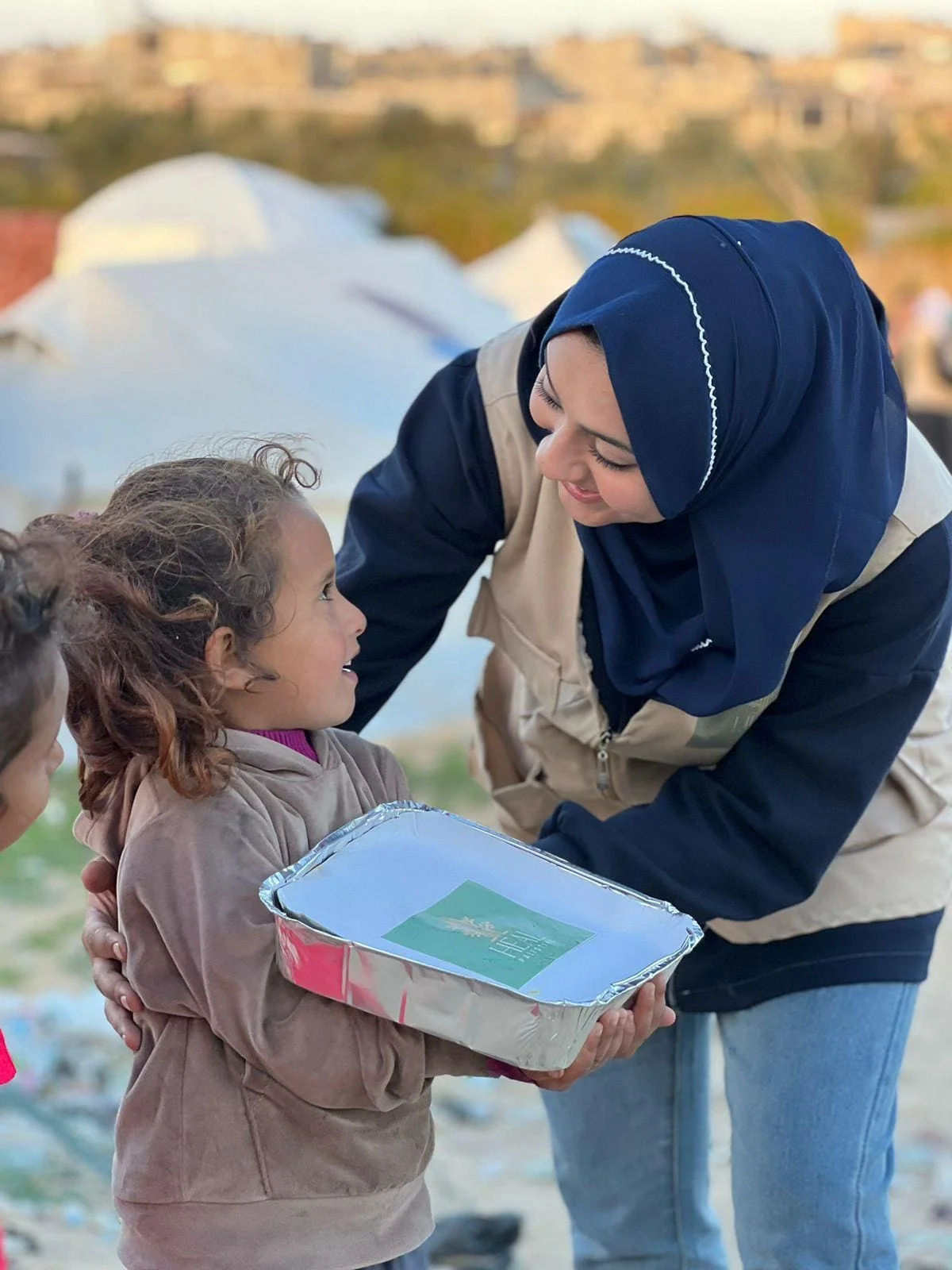
Alongside shelter and clothing, HEAL Palestine has maintained ongoing hot meal and emergency food distributions, ensuring families have access to warm, nourishing food during the coldest months. These efforts help stabilize health conditions, preserve body heat, and reduce winter-related morbidity.
Together, shelter, clothing, and nourishment form an integrated winter protection strategy, addressing both immediate survival and longer-term health risks.
Shelter as a Lifeline in Gaza’s Winter
Gaza’s winter emergency is not a seasonal inconvenience—it is a persistent humanitarian and public health crisis. Tens of thousands of families remain displaced, exposed to cold, damp conditions, and flooding. Inadequate shelters amplify the risks of hypothermia, respiratory illness, malnutrition, and chronic disease, making proper winter protection a matter of life and death.
Durable shelters, insulated tents, and winter aid packages are not just material support; they are preventive health interventions. By providing warmth, protection from storms, and safe spaces for families to store food and maintain hygiene, these interventions directly save lives and mitigate the secondary consequences of winter exposure.
HEAL Palestine’s winter shelter program exemplifies how strategic humanitarian interventions can make a tangible difference. By distributing thousands of 400 kg insulated tents and millions of dollars worth of winter aid, including blankets, jackets, mattresses, and essential non-food items, HEAL has transformed winter relief from temporary assistance into life-saving protection.
Faith-driven giving, through zakat and sadaqah, amplifies this impact. Every donation allocated to HEAL’s eligible programs goes 100% toward direct winter aid, ensuring that donors’ contributions reach the families who need them most. These funds provide not only physical protection but also dignity, safety, and hope to communities trapped in cycles of displacement and vulnerability.
Winter in Gaza will continue to be harsh, and the challenges are ongoing. But through durable shelter, comprehensive winter aid, and committed humanitarian support, families can survive and maintain their health even under the harshest conditions. Shelter, in this context, is not just a roof.
Our Four Pillars of Impact
Every impact story is part of a larger mission. Through Health, Aid, Education, and Leadership, HEAL Palestine responds to urgent needs while investing in the people and communities shaping Palestine's future.
Health for Every Community
Access to quality healthcare is essential to a healthy, resilient community. HEAL Palestine works to provide urgent care, strengthen health services, and improve health outcomes for Palestinians - especially those facing the greatest need.
Aid Where It Is Needed Most
HEAL Palestine delivers practical, dignified assistance to families facing displacement and hardship, including food, clean water, shelter, and essential supplies.
Education Builds the Future
From safe learning spaces to scholarships and skills programs, HEAL Palestine helps children and young people continue learning and build pathways toward opportunity.
Leadership Rooted in Community
HEAL Palestine invests in people who can lead, serve, and strengthen their communities, creating sustainable change shaped by Palestinians themselves.
Related Media




Start a Fundraiser. Create an Impact.
Turn your passion into meaningful action. Start a fundraiser to support communities, amplify important causes, and help create lasting change around the world.
Every fundraiser can make a difference.
Start a Fundraiser Now


