
Orphaned Children in Gaza: Needs, Numbers, and Long-Term Support

Donate to HEAL Palestine
Every donation is a step toward HEALing and empowering the children of Gaza. Thank you for supporting our mission!
The Reality Facing Orphaned Children Today
Across conflict and humanitarian crisis settings, orphaned children are among the most vulnerable members of society. The loss of one or both parents often means the loss of financial security, stable shelter, access to education, and emotional support. These risks are significantly amplified in areas affected by prolonged violence and displacement, where families struggle to meet even basic needs.
In Gaza, the scale of orphanhood has risen sharply. According to UNICEF, more than 19,000 children have been orphaned, and over 17,000 are unaccompanied or separated from their families as a result of ongoing conflict and displacement. Many of these children are living in overcrowded shelters or displacement camps, facing food insecurity, limited access to healthcare, and severe psychosocial stress.
The scale of loss among children has reached unprecedented levels. Current humanitarian assessments estimate that approximately 39,000 children have lost one or both parents. Many of these children have also lost protection, stability, and support systems that families provide. In environments marked by insecurity and limited access to services, orphaned children face elevated risks of poverty, interrupted education, and long-term psychological harm.
Within this crisis, a particularly severe category of vulnerability has emerged. Humanitarian workers have begun using the acronym WCNSF, meaning “Wounded Child, No Surviving Family”, to describe children who have lost their entire families and are left without any immediate caregiver. These children often face physical injuries alongside complete family loss, placing them among the most at-risk individuals in emergency settings. The emergence of this term reflects the depth of the crisis and underscores the urgent need for structured, long-term systems of care and protection for children with no surviving family support.
Zakat Charity as a Duty Toward the Most Vulnerable
Zakat is a mandatory obligation in Islam, established to purify wealth and ensure that those facing hardship are not left without support. Unlike voluntary charity, Zakat is a structured system of redistribution that places clear responsibility on those who are able to give, directing resources toward individuals and families whose basic needs are not met.
The Qur’an defines the categories eligible to receive Zakat in Surah At-Tawbah, outlining those who are entitled to support due to poverty, need, or vulnerability. While orphans are not listed as a separate category, Islamic scholarship consistently explains that orphaned children often fall within these eligible groups, particularly the poor (al-fuqara) and the needy (al-masakin). When an orphan lacks sufficient financial support, Zakat may be used to meet their essential needs through responsible guardianship.
Classical and contemporary scholars emphasize that Zakat given for orphans must directly serve the child’s welfare. This includes food, clothing, shelter, healthcare, and other necessities required for a dignified life. In cases where guardians are unable to provide adequately, Zakat may be allocated to support the household caring for the orphan, as long as the assistance is clearly intended for the child’s benefit and not personal enrichment.
Beyond meeting immediate needs, Zakat also serves a preventative function. By stabilizing households and ensuring access to basic services, Zakat helps protect orphaned children from long-term harm, including chronic poverty, educational disruption, and social marginalization. This aligns with the broader objectives of Islamic law, which seek to preserve life, dignity, and wellbeing within society.
In humanitarian contexts marked by displacement and economic collapse, the duty of Zakat becomes even more critical. Orphaned children who have lost parental protection are often among the first to experience food insecurity, inadequate shelter, and limited access to care. Directing Zakat toward their support reflects not only legal compliance, but also the ethical purpose of Zakat as a mechanism for justice, mercy, and social responsibility.
The HEAL Palestine Orphan Program
The scale and severity of child vulnerability in humanitarian settings requires more than short-term aid. In response, the HEAL Orphan Program was developed to provide structured, long-term support for orphaned children who have lost parental care, stability, and protection. The program is designed to address both immediate needs and longer-term wellbeing, ensuring that children are not only kept safe, but supported in rebuilding their lives with dignity.


Program Launch and Operational Framework
The HEAL Palestine Orphan Program was formally launched in November 2025 following an intensive preparation and assessment phase. The successful launch was made possible through the generous contributions of donors, which enabled HEAL Palestine to establish field teams, verification procedures, data systems, and coordinated service delivery mechanisms. Within its first two months, the program transitioned from planning into active implementation across both northern and southern Gaza.
The program was designed as a comprehensive and structured care model, rather than a single-intervention aid initiative. Its operational framework integrates humanitarian relief, mental health and psychosocial support, educational preparation, and individualized case management, all delivered through standardized procedures and ongoing monitoring.
Beneficiary Identification, Vetting, and Enrollment
A core component of the program is its rigorous vetting and enrollment process. HEAL Palestine field teams conducted systematic field visits to identify orphaned and sole survivor children facing the highest levels of vulnerability. These visits included:
- Verification of orphan status and legal guardianship
- Household assessments to evaluate living conditions and unmet needs
- Review and collection of official documentation
- Direct engagement with guardians to understand care capacity and risks
As a result of this process, 70 orphaned and sole survivor children were formally enrolled during the initial phase. Each enrolled child has a complete beneficiary file and is registered in a centralized database used for planning, monitoring, and follow-up. This system ensures transparency, accuracy, and continuity of care as the program evolves.
HEAL Palestine continues to conduct assessments and vet additional high-risk cases, prioritizing children with no stable income, unsafe shelter conditions, medical vulnerabilities, or psychosocial distress.
Humanitarian Assistance and Basic Needs Support
The program delivers regular, needs-based humanitarian assistance to enrolled children and their households. During the first implementation phase, this included:
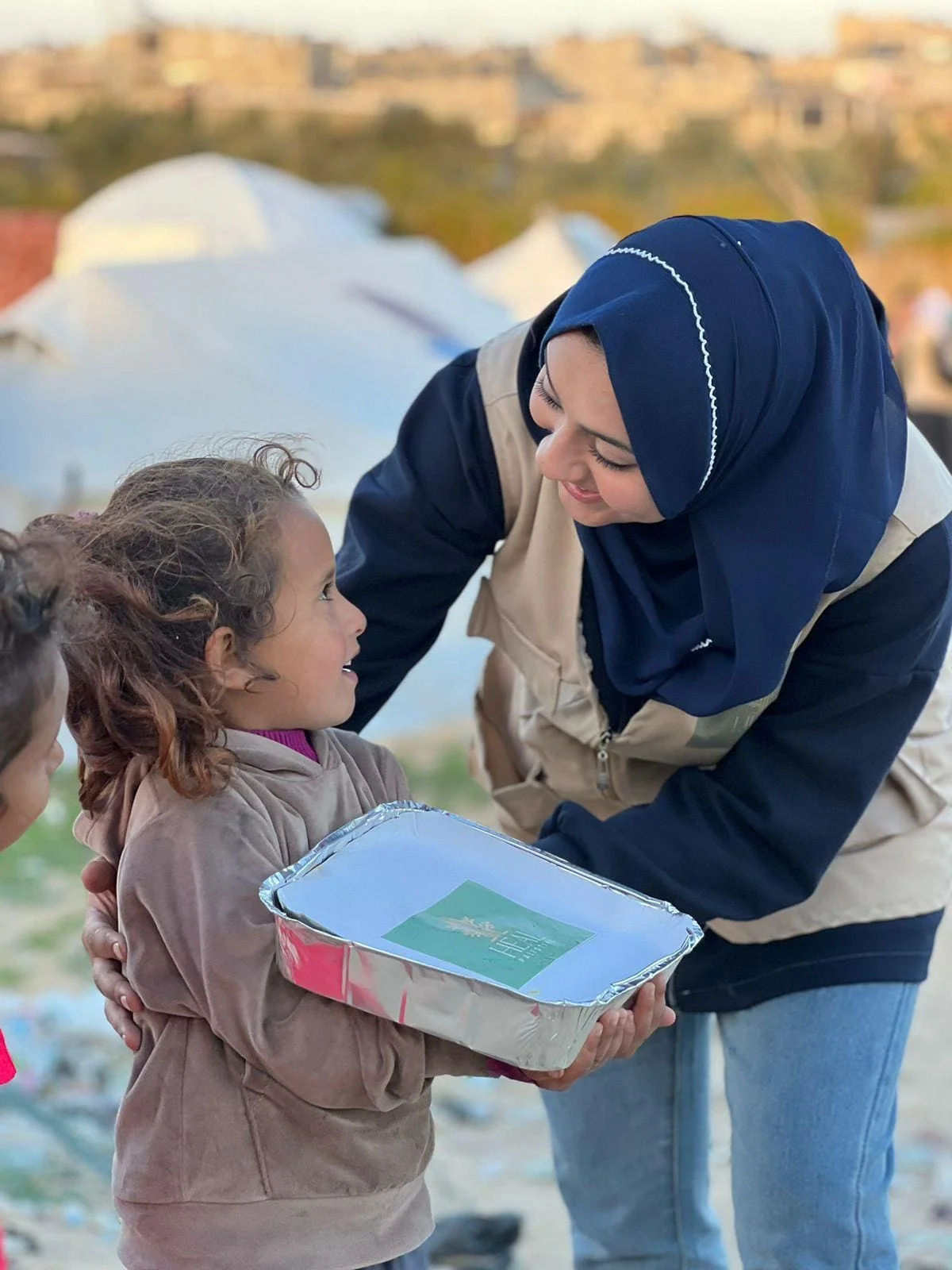
- Monthly food parcels prepared and distributed by HEAL teams
- Fresh fruit and vegetable distributions to improve dietary diversity
- Winter support items, including blanket distributions to all enrolled families
- Shelter assistance, including tent distribution for displaced children living in camps
All distributions are conducted through approved distribution points, under direct supervision by field teams, and followed by post-distribution monitoring, including verification calls to families. This ensures accountability, equitable access, and consistent quality across locations.
Mental Health and Psychosocial Support
Recognizing the severe psychological impact of conflict and family loss, the Orphan Program integrates mental health and psychosocial support as a core pillar, not an optional add-on. Following preparatory work in November, services were implemented in December in coordination with HEAL Palestine’s Mental Health Program.
Support includes:
- Structured group psychosocial sessions for children
- Individual psychotherapy referrals for severe cases
- Guardian awareness sessions focused on stress management and supportive care
- Transportation assistance to ensure access to services
- Home-based psychosocial support for children unable to attend clinic sessions
Interventions are tailored based on assessed needs, with ongoing follow-up and case monitoring to ensure continuity and effectiveness.
Special Cases and Individualized Interventions
The program maintains a special cases mechanism to respond to urgent, child-specific needs identified through field assessments. These interventions address gaps that fall outside standard distributions but are essential to a child’s safety or wellbeing.
Examples include the provision of safe lighting equipment for displaced children living in shelters without electricity, following guardian recommendations and field verification. Each special case intervention is documented, approved, implemented, and followed up by field staff, reinforcing the program’s commitment to responsive and dignified care.
Education Support, Preparation, and Learning Continuity
The education component of the Orphan Program is currently in a structured preparatory phase, focused on ensuring sustainable and equitable access to learning. Current efforts include:
- Designing operational mechanisms for education service delivery
- Planning long-term educational interventions adapted to displacement conditions
- Preparing and distributing Learning Kits as an interim solution
- Establishing monitoring tools to track academic progress and engagement
Education is integrated as a core element of orphan care, supporting cognitive development, emotional stability, and long-term resilience.
Program Expansion and Next Phase Priorities
Following the successful launch and early implementation phase, HEAL Palestine is committed to expanding the Orphan Program as additional resources become available. Field teams are actively identifying and vetting new highly vulnerable cases for future enrollment, ensuring that expansion remains needs-based and sustainable.
Future priorities include:
- Enrolling additional orphaned and sole survivor children
- Strengthening mental health and education components
- Enhancing transportation and access to services
- Expanding monitoring and evaluation systems
- Scaling logistical and operational capacity to meet growing needs
The experience of November and December 2025 has provided a strong operational foundation. With continued donor support, HEAL Palestine aims to scale this program responsibly, ensuring that every child enrolled receives consistent, high-quality, and long-term care.
Zakat Eligibility for Orphaned Children: 100% Fund Allocation Policy
Through accountable distribution, clear eligibility criteria, and regular oversight, the HEAL Palestine Orphan Program ensures that funds entrusted by donors are used responsibly and transparently. For Muslim donors, the program aligns with Zakat requirements by directing support to eligible, vulnerable children, allocating 100% of donations to finance the children’s most urgent needs.
Our Four Pillars of Impact
Every impact story is part of a larger mission. Through Health, Aid, Education, and Leadership, HEAL Palestine responds to urgent needs while investing in the people and communities shaping Palestine's future.
Health for Every Community
Access to quality healthcare is essential to a healthy, resilient community. HEAL Palestine works to provide urgent care, strengthen health services, and improve health outcomes for Palestinians - especially those facing the greatest need.
Aid Where It Is Needed Most
HEAL Palestine delivers practical, dignified assistance to families facing displacement and hardship, including food, clean water, shelter, and essential supplies.
Education Builds the Future
From safe learning spaces to scholarships and skills programs, HEAL Palestine helps children and young people continue learning and build pathways toward opportunity.
Leadership Rooted in Community
HEAL Palestine invests in people who can lead, serve, and strengthen their communities, creating sustainable change shaped by Palestinians themselves.
Related Media




Start a Fundraiser. Create an Impact.
Turn your passion into meaningful action. Start a fundraiser to support communities, amplify important causes, and help create lasting change around the world.
Every fundraiser can make a difference.
Start a Fundraiser Now


